
- 6 min read
- March 2026
Why Address Validation Matters in Ecommerce
Rebekah Harkin
In ecommerce, most optimisation discussions focus on traffic, conversion rates and average order value. Yet one of the most powerful levers for revenue and customer satisfaction hides in plain sight: the humble address field. Address validation – the process of checking and correcting address details at the point of entry – can dramatically improve checkout experience, delivery success and lifetime value.
Cart abandonment remains a stubborn challenge across online retail. Analyses that aggregate data from dozens of studies put the global average shopping cart abandonment rate at around 70%. In other words, for every ten shoppers who start a purchase, only three actually complete it. While there are many reasons for this, friction at checkout is consistently near the top of the list.
The global average shopping cart abandonment rate is about 70%
Poorly designed address forms contribute directly to this friction. Long forms with multiple lines, unclear field labels or rigid formatting rules can feel daunting, particularly on mobile devices where typing is slower. Shoppers may encounter repeated error messages if the system does not recognise their address format, or they may be unsure whether to enter a flat number, building name or company details in specific fields. Each extra moment of confusion increases the chance they will simply give up.
The Hidden Cost of Poor Address Data in Ecommerce
Address validation helps remove this obstacle. By guiding customers as they type and confirming that what they have entered is deliverable, you offer reassurance that their parcel will arrive where it should. This reassurance is especially important when customers are ordering high‑value items or sending gifts. Knowing that the delivery details are correct reduces anxiety and can nudge undecided shoppers over the line to complete their purchase.
Validated addresses also support operational efficiency. When staff no longer have to manually correct or query addresses, they can focus on higher‑value tasks. Warehouses spend less time dealing with returned parcels that could not be delivered, and customer‑service teams handle fewer “where is my order?” contacts. Over time, these efficiencies translate into lower costs per order and a smoother end‑to‑end experience.
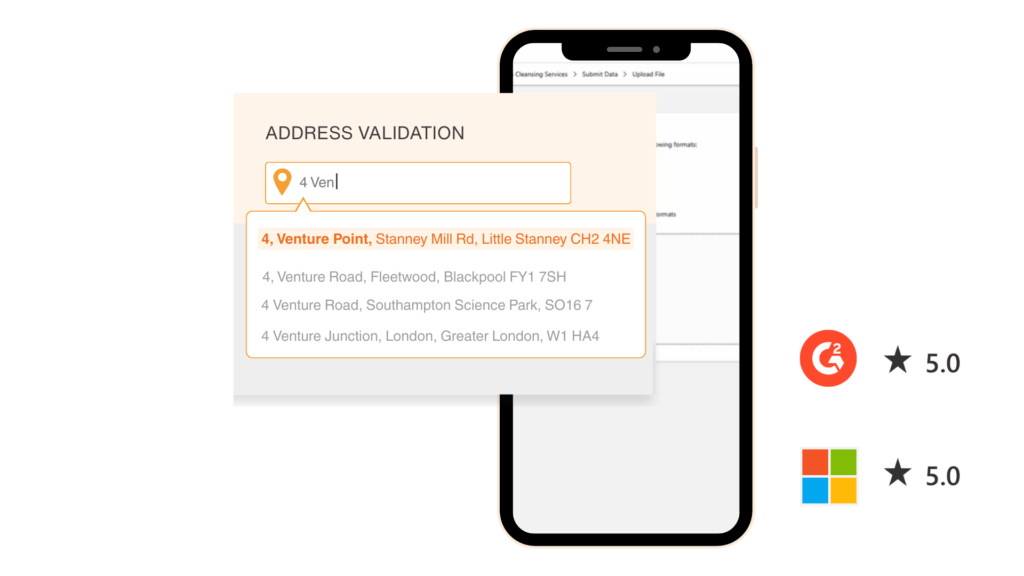
External research reinforces the scale of the opportunity. For example, cart abandonment analysis from sources such as the Baymard Institute indicates that simplifying checkout flows – which includes removing unnecessary address friction – can improve conversion by more than 30% in some cases. When applied to even a modest ecommerce revenue base, this uplift can represent a significant sum. For background on cart‑abandonment benchmarks, resources like Baymard’s research and market summaries such as the cart abandonment statistics report on Gitnux provide useful context.
Key Ecommerce Benefits of Accurate, Validated Customer Addresses
Global ecommerce has grown rapidly, but many retailers still treat address data as an afterthought. In reality, accurate, validated addresses sit at the heart of almost every customer touchpoint: checkout, fulfilment, customer service, analytics and even fraud prevention. When those addresses are wrong or incomplete, the downstream impact can be surprisingly expensive.
Industry studies consistently show that around 70% of online shopping baskets are abandoned before checkout is complete. A significant share of that abandonment is caused by friction during checkout – long forms, confusing address fields and repeated error messages. Research aggregated by Baymard Institute suggests that more than 20% of shoppers abandon when the checkout feels too long or complicated, and a further share drop out when they struggle to enter their shipping details at all.
More than 20% of shoppers abandon when the checkout feels too long or complicated, and a further share drop out when they struggle to enter their shipping details at all.
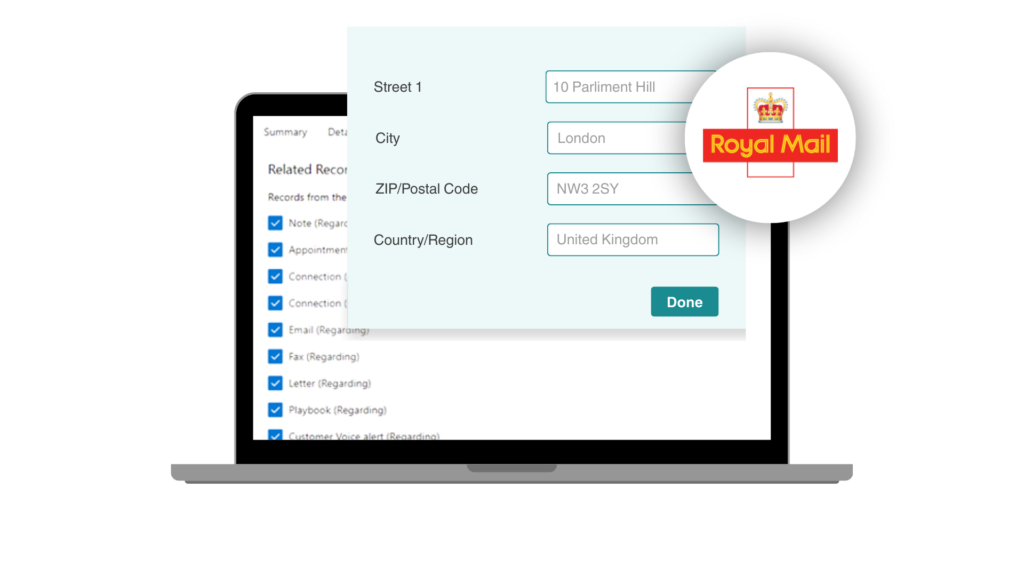
Validated address data reduces this friction by making forms shorter, smarter and more forgiving. Instead of asking customers to type every line manually – often on a small mobile screen – you can provide intuitive suggestions as they type, automatically correct minor formatting issues and ensure all required components (such as postcode and town) are present. For mobile shoppers in particular, cutting a dozen keystrokes per field can be the difference between a completed order and yet another abandoned basket.
Beyond conversion, accurate addresses are crucial for delivery performance. Misspelt street names, missing flat numbers or incorrect postcodes can all lead to parcels being misrouted or returned to sender. Delivery partners often surcharge failed deliveries, and resending orders eats directly into margin. Across the industry, failed deliveries are estimated to cost retailers and carriers billions each year once you factor in replacement goods, additional shipping, customer support time and the impact on customer lifetime value.
There is also a reputational cost. Customers rarely distinguish between the courier and the retailer when a parcel goes missing. From their perspective, the brand they bought from “failed to deliver”. Over time, repeated delivery issues erode trust and reduce the likelihood of repeat purchases, even if the original problem was simply a typo in the address. By validating data up front, you minimise these avoidable disappointments.
Finally, good address data underpins better decision‑making. When addresses are standardised and accurate, it becomes much easier to analyse performance by region, optimise warehouse locations, plan regional promotions or assess the impact of shipping policies. Clean data allows ecommerce leaders to identify patterns – such as regions with higher return rates or delivery delays – and act on them with confidence rather than guesswork.
Clean data allows ecommerce leaders to identify patterns – such as regions with higher return rates or delivery delays – and act on them with confidence rather than guesswork.
How to Implement Address Validation in Your Ecommerce Stack
Putting address validation in place for an ecommerce business does not need to be complicated, but it does require some planning.
- The first step is to review your existing checkout flow and identify where address information is captured, stored and used. Many retailers collect variants of the same data at multiple touchpoints – account creation, guest checkout, returns forms and customer service scripts – which can create inconsistencies. Aim to define a single, clear standard for how addresses should look in your systems, including required fields and formatting rules.
Once you have a standard, you can plan how validation will work in practice. A common approach is to validate addresses in real time at checkout using an API. As the customer begins typing their house number or postcode, the form offers a list of likely matches. When they select the correct result, the remaining fields are populated automatically. This makes the experience faster for legitimate customers while dramatically reducing the chance of errors.
- Behind the scenes, you should decide when and where to enforce validation rules [our data quality experts can help with that]. Many retailers choose to validate both at the point of entry and again before despatch, catching any inconsistencies that may have slipped through. Building validation into your order‑management and customer‑service tools means staff can quickly check or correct an address during a support interaction rather than guessing or asking the customer to repeat information multiple times.
Security and compliance are also essential considerations. When you work with address data, you are working with personal information. Make sure any validation processes comply with local data‑protection laws and that customer data is transmitted and stored securely. Review your privacy notices so that shoppers understand why you are validating their address and how this benefits them in terms of faster, more reliable delivery.
Finally, measure the impact. Track key metrics such as checkout completion rate, percentage of failed or returned deliveries, average delivery time and customer satisfaction after delivery. Many retailers find that once validation is in place, they see a noticeable reduction in manual address corrections, support contacts about missing parcels and costly reshipments.
Address Validation FAQs
Will address validation slow down the checkout process?
No, when implemented well, it does the opposite. Real‑time suggestions and fewer errors usually make checkout noticeably faster, especially on mobile.
Does address validation work for international customers?
Yes, provided your solution supports multiple countries and postal formats. It is important to use technology that understands regional differences in how addresses are structured.
Is it worth the investment for smaller online retailers?
Even for relatively modest order volumes, the savings from fewer failed deliveries and a smoother checkout often outweigh the cost of implementation.