

Security Update: PHP Vulnerability
We can confirm that Data8’s commercial services were not affected by this vulnerability.

How Can Charities Verify Donor Addresses? A Practical Guide
Find out how charities can check donor addresses, reduce returned mail, maintain accurate Gift Aid records and improve the quality of supporter data.

Why Your CRM Data Needs to Be AI-Ready
AI in your CRM is only as good as the data behind it. Find out what AI-ready data really means and how Data8 helps you

What to Ask When Comparing Data Quality Solutions
This guide outlines 10 questions to ask any data quality vendor, covering everything from validation depth, compliance readiness and ongoing support.
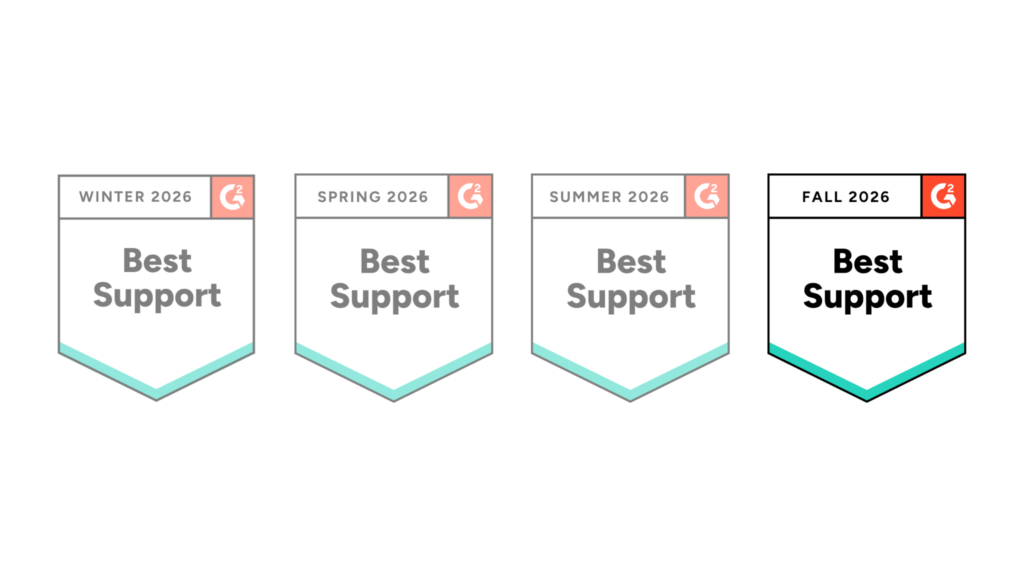
Data8 Named #1 for Best Support on G2 for the Fourth Quarter in a Row
Discover why Data8 is continuously rated #1 for Best Support on G2 and how our exceptional customer service sets us apart.

Which Address Verification Services Are Most Accurate?
Compare the most accurate address verification services by postal certification, data coverage and compliance standards. Find the right provider with Data8.

Deduplication for Dynamics 365 in 2026: Native vs Third‑Party
Clean, deduplicated data is now essential for Dynamics 365 organisations preparing for AI‑driven operations, Copilot adoption and GDPR compliance. Discover Data8’s third-party tool, Duplicare.

What Is Phone Number Validation? A Complete Guide to Mobile, Landline & International Checks
Learn how phone number validation checks structure, country, type and reachability. Improve CRM data, reduce failed calls and standardise numbers with Data8.
Are You Getting the Most Out of Duplicare?
Explore four Duplicare features that can help you improve matching accuracy, simplify rule management and make duplicate detection easier across your organisation.